Memory foam seat cushions have revolutionized how we experience sitting comfort.
But what exactly makes them so special?
This comprehensive guide covers everything you need to know about memory foam seat cushions.
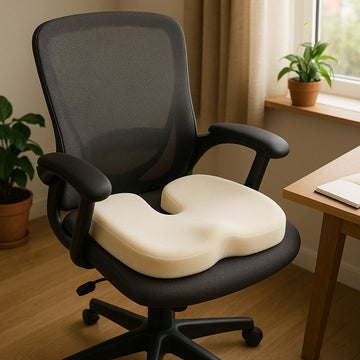
Some are designed for office chairs, helping to improve posture and reduce discomfort during long workdays.
Some come with ergonomic contours that cradle your body for tailored support.
Some offer removable, washable covers for easy cleaning and durability.
Some even feature cooling gels or charcoal-infused foams to keep you fresh and odor-free.
Some are compact, perfect for travel or car seats, while others provide thick, plush cushioning that fits wider chairs.
Let's dive right in.
What Is a Memory Foam Seat Cushion?
Simply put, a memory foam seat cushion is a specialized cushion made of polyurethane foam designed to mold and conform to your body shape. It reacts to your body heat and pressure, softening and adapting to support each individual uniquely. This temperature sensitivity creates a personalised sitting surface that can reduce pressure points, promote better posture, and increase comfort significantly during long periods of sitting.
Unlike traditional foam, memory foam retains its shape over time, resisting flattening and wear. Its durability and responsiveness make it a popular choice for those seeking relief from discomfort caused by prolonged sitting, whether at a desk, in a car, or even at home reading nook.
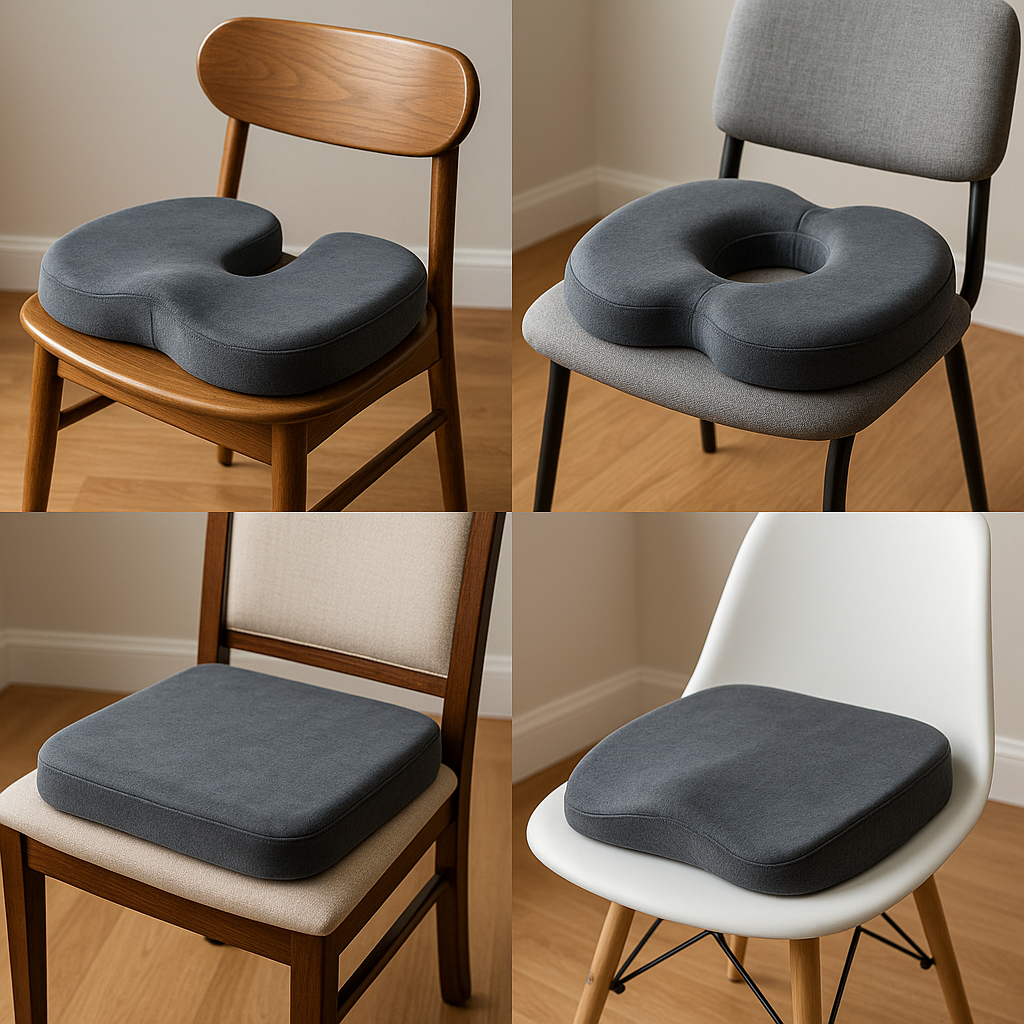
The elegance of memory foam also lies in its versatility: it can be made in flat pads, contoured designs, or ergonomic shapes with cutouts tailored to relieve specific areas like the tailbone. This adaptability helps accommodate different body types and pain issues. [source]
Why Choose a Memory Foam Seat Cushion Over Other Types?
Memory foam cushions stand out for a few critical reasons:
- Customized Support: The contouring effect of memory foam supports the body's curves, offering relief to hips, lower back, and tailbone. This is especially important for people with back pain, sciatica, or joint sensitivity.
- Durability: Unlike cheap foam cushions that flatten quickly, memory foam cushions maintain their shape and provide consistent support over years of use.
- Pressure Relief: They distribute body weight evenly, reducing stress on sensitive areas. This can prevent numbness and soreness even after long sitting sessions.
- Temperature Sensitivity: The foam softens with your body heat, allowing it to conform to your shape uniquely every time you sit down.
- Machine-Washable Covers: Many come with removable, washable covers—important for hygiene when cushions are used daily.
- Variety: From firm to medium-soft options, sizes for different chairs and body types, and features like tailbone cutouts or cooling gels, memory foam seat cushions are versatile.
This balance of support, comfort, and hygiene makes memory foam cushions a go-to solution for office workers, drivers, and anyone who spends significant time sitting. [source]
How Do Memory Foam Seat Cushions Help with Back and Tailbone Pain?
Many users seek memory foam seat cushions for therapeutic reasons. Sitting for hours on hard or ill-designed chairs can lead to tailbone (coccyx) pain, lower back strain, and numbness. Here's how memory foam addresses these issues:
- Improved Posture: Contoured cushions guide your hips and tailbone to align properly, encouraging an upright, neutral spine position. This reduces muscle strain and tension.
- Coccyx Cutouts: Cushions with a tailored cutout reduce direct pressure on the tailbone. This is invaluable for those with bruises, fractures, or sensitivity in that area.
- Even Pressure Distribution: The foam molds to your body, spreading out weight to minimize pinching nerves or compressing joints, particularly important for sciatica relief.
- Height Adjustment: Adding extra seating height can extend knees slightly, easing pressure on the sciatic nerve and enhancing circulation.
Experts like Dr. Alan Hilibrand highlight that there's no one-size-fits-all cushion. People with slipped discs, sciatica, or arthritis may need to experiment with firmness and designs to find what suits best. However, memory foam cushions offer a supportive base that can complement treatments or ergonomic chairs. [source]
Did you know? Even premium office chairs with thin seat pads may cause numbness and soreness, but adding a good memory foam seat cushion can be a simple, effective fix!
Key Features to Look For in a Memory Foam Seat Cushion
Choosing the right memory foam seat cushion requires understanding the features that affect comfort and support. Here’s a checklist to help you shop wisely:
- Thickness: Ideally between 2 to 5 inches. Thicker cushions offer plush comfort but might affect seat height or fit.
- Density and Firmness: Medium-firm cushions provide support without being too hard. Firm cushions guide your posture; softer ones may feel plush but provide less support.
- Contour and Ergonomics: Look for designs with hip cradling, coccyx cutouts, or raised edges that encourage proper seating alignment.
- Size: Cushions should fit the width and depth of your seat. Some brands offer different sizes for varied body types.
- Cover Material: Removable, machine-washable covers made from breathable fabrics enhance hygiene and comfort.
- Anti-Slip Bottom: Prevents cushion movement on chairs, improving safety and comfort.
- Additional Features: Some cushions use charcoal-infused foams to reduce odors; others include cooling gels to prevent heat buildup.
Measuring your chair and considering your individual needs are crucial steps before purchasing. For example, bigger adults often benefit from firmer, larger cushions to avoid bottoming out during use.
Popular Memory Foam Seat Cushion Types and Use Cases
Memory foam seat cushions come in various styles tailored to different needs. Here’s a detailed look at popular types:
1. Flat Memory Foam Pads
These cushions are simple flat pads made of dense memory foam. They add comfort and slight contouring but lack the ergonomic shaping of contoured cushions. Perfect for adding some softness to office or home chairs.
2. Contoured Cushions with Coccyx Cutouts
Designed with a cutout or groove at the back to relieve tailbone pressure. Ideal for people with coccyx pain, bruising, or after injuries. The Cushion Lab Pressure Relief Seat Cushion is a prime example, available in multiple sizes and with a nonslip bottom. [source]
3. Gel-Infused Memory Foam Cushions
Combine the contouring comfort of memory foam with cooling gel layers that prevent heat buildup during sitting. This option benefits users who tend to overheat or sweat while seated for long durations.
4. Orthopedic Support Cushions
Targeted at people with chronic back pain, these cushions often feature lumbar support additions. The Comfy World Memory Foam Seat Back Cushion is an example that supports the sacral area and affirms good posture on long commutes. [source]
5. Travel-Friendly Cushions
Compact, lightweight memory foam cushions designed for portability. Useful in cars, planes, or office chairs, they are easy to carry and store.
How to Choose the Best Memory Foam Seat Cushion for You
Finding the perfect memory foam seat cushion involves personal preference combined with practical considerations:
- Assess Your Needs: Identify if you have any pain points (tailbone, lower back, thighs) or posture issues to address.
- Check Your Seating Situation: Measure the chair's seat dimensions and consider seat height changes.
- Test Firmness: If possible, try cushions with varying firmness levels. Medium-firm is often a good starting point.
- Consider Design Features: Tailored contouring or coccyx cutouts help specific pain areas.
- Look for Quality Covers: Breathable, washable covers are essential for hygiene and comfort.
- Review Weight Limits: Ensure the cushion supports your body weight without compressing excessively.
- Read User Reviews: Insights from others can reveal durability and comfort after long use.
Keep in mind that some trial and error may be necessary. Dr. Hilibrand advises openness to trying different options as the comfort zone is subjective. [source]
Quick Tip: A cushion that’s too soft may worsen sciatica by increasing hip flexion, so avoid overly pillow-like cushions.
How to Care for and Maintain Your Memory Foam Seat Cushion
Proper care extends the life and comfort of your cushion. Here’s how to maintain it effectively:
- Use Removable Covers: Always wash the cover regularly to eliminate dirt, sweat, and bacteria.
- Spot Clean Foam: Memory foam should never be machine washed. Spot cleaning with mild detergent and air drying is best.
- Avoid Excess Moisture: Keep cushions in dry environments to prevent mold or foam degradation.
- Rotate Regularly: Flip or rotate the cushion weekly to preserve shape and prevent uneven wear.
- Avoid Heavy Compression: Don’t stack heavy objects on cushions, as it can damage the foam structure.
Following these simple steps keeps your memory foam seat cushion fresh, supportive, and hygienic.
Where Can You Use Memory Foam Seat Cushions?
Memory foam seat cushions are remarkably versatile. Some common and effective uses include:
- Office Chairs: Improves posture and comfort for long work hours.
- Car Seats: Reduces tailbone pressure on long drives and daily commutes.
- Wheelchairs: Specialized cushions designed to enhance comfort and reduce pressure sores.
- Reading Nooks and Living Room Chairs: Boosts coziness and support.
- Airline and Train Travel: Portable cushions ease discomfort during extended travel.
- Dining Chairs: Adds unexpected comfort to hard seating surfaces.
- Gaming Chairs: Helps gamers avoid numbness and soreness.
Choosing the right cushion size and features ensures it fits snugly for stability and ergonomic benefit. Explore ergonomic office chairs under £100 to complement your cushion or provide alternatives if suitable.
Top Benefits of Using a Memory Foam Seat Cushion
Understanding the benefits helps appreciate why memory foam seat cushions are highly recommended:
- Pain Relief: Supports spinal alignment and reduces pressure on tailbone, hips, and thighs.
- Enhanced Comfort: Personalized contouring to your shape prevents soreness and numbness.
- Better Posture: Encourages upright seating, reducing slouching.
- Durable and Hygienic: Retains shape, often with washable covers for easy cleaning.
- Portability: Easy to move between work, car, or home.
- Improved Circulation: Pressure distribution helps prevent poor circulation-related issues.
- Stress Reduction: Comfortable seating can reduce overall physical stress and fatigue.
Common Misconceptions About Memory Foam Seat Cushions
Let’s bust some myths that can mislead buyers:
- Myth 1: Memory Foam Cushions Are Too Soft to Provide Support. Reality: High-quality memory foam comes in varying firmness levels, offering excellent support and contouring rather than just softness.
- Myth 2: They Make You Hot. Reality: Many cushions now include cooling gels or breathable covers to help regulate temperature during prolonged sitting.
- Myth 3: Any Seat Cushion Will Fix Your Pain. Reality: Cushions aid comfort but aren’t a substitute for medical treatment for severe pain. It’s best to consult healthcare professionals if pain persists.
- Myth 4: All Memory Foam Cushions Are Bulky and Heavy. Reality: Many cushions are lightweight and portable, designed for easy use anywhere.
Wondering how different cushions compare? The upcoming comparison table will clarify key differences across top options.
Memory Foam Seat Cushion Comparison Table
| Model | Size (inches) | Thickness | Firmness | Unique Feature | Best For | Price Range (£) |
|---|---|---|---|---|---|---|
| Tempur-Pedic | 16 x 16 | 2" | Firm | Cradling grooves for posture | Support & upright posture | £70-£100 |
| Cushion Lab Pressure Relief | Standard: 18 x 15 Large: 21 x 18 |
4-5" | Medium-Firm | Coccyx cutout, charcoal-infused foam | Tailbone pain & bigger bodies | ~£90-£110 |
| Xtreme Comforts | 19 x 17 | 3" | Soft | Vented cooling cover | Budget & plush comfort | <£50 |
| Medline EquaGel | 16 x 16 | 2" (Gel layer) | Medium | Honeycomb gel grid | Cooling & weight distribution | £80-£100 |
What Users Say About Memory Foam Seat Cushions
User reviews often highlight transformative benefits: reduced aches, less fidgeting, and longer comfort during demanding work or driving. Some describe how cushions prevent the "bottoming out" feel common with cheaper pads.
However, preferences vary. Taller users note the importance of size to avoid pressure at backs of knees, while those over 180 pounds recommend firmer foams for longer-lasting support. Some find contoured edges uncomfortable initially, illustrating the subjective nature of choice.
How to Maximize the Benefits of Your Memory Foam Seat Cushion
Simple adjustments help you get the most out of your cushion:
- Proper Positioning: Align the cushion’s contours correctly—tailbone cutouts should be positioned precisely under your coccyx.
- Pair With Lumbar Support: Combine with a lumbar pillow or ergonomic chair to support full spinal alignment, enhancing comfort.
- Use With Adjustable Desk Setup: Ergonomic workspaces including adjustable desks enhance seating health. Learn more about adjustable standing desk converters.
- Take Regular Breaks: Even the best cushion can’t replace movement—stand and stretch every hour when possible.
- Keep Your Cushion Clean: Wash covers often and follow maintenance tips.
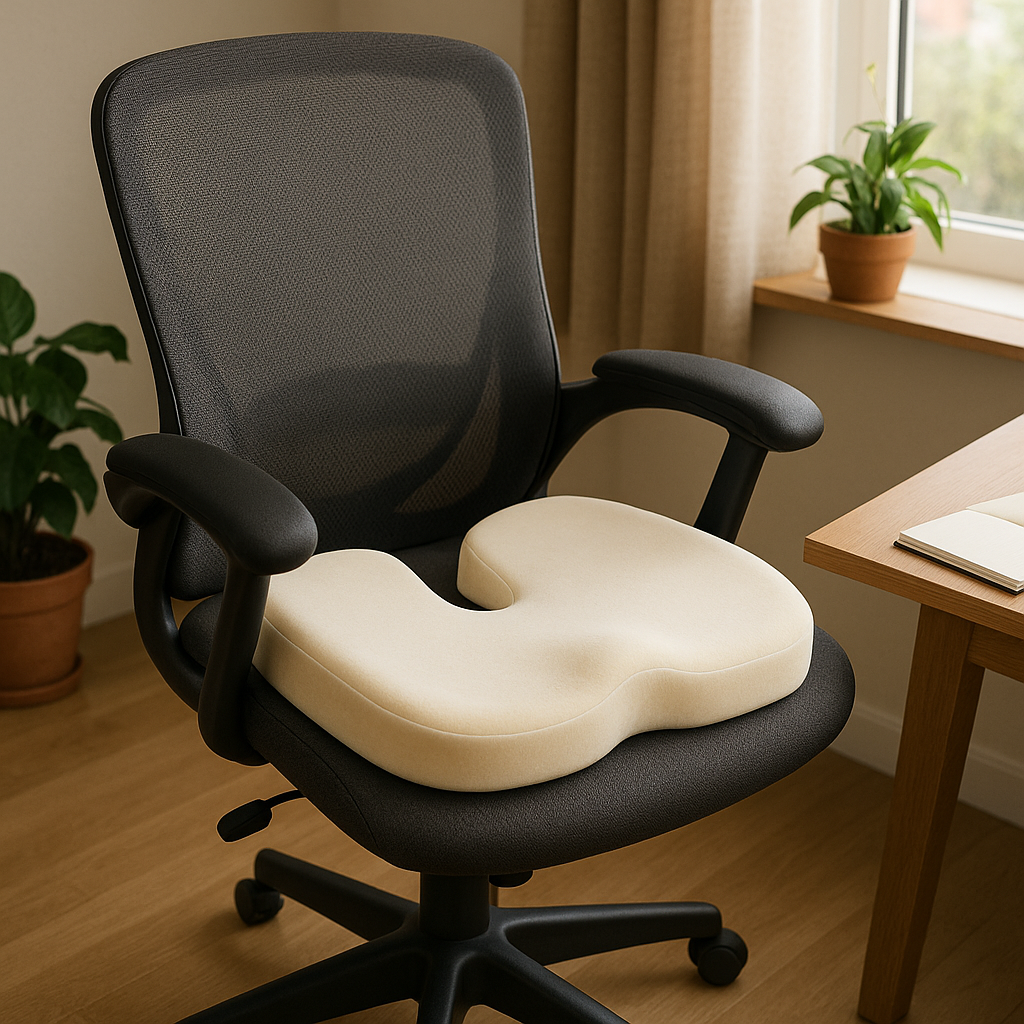
Video Review: Cheap vs. Expensive Memory Foam Seat Cushions
Watch this insightful YouTube review comparing budget and premium memory foam seat cushions that highlights differences in size, foam quality, and design.
This video emphasizes how cheaper pads might bottom out and feel smaller, while mid-range products with charcoal-infused foam provide better durability and odor resistance. It also explains why gel-based cushions feel different and may slide when you recline. [source]
Can Memory Foam Seat Cushions Fit Every Chair?
Compatibility depends on your chair’s dimensions and cushion size. Most office chairs, car seats, and dining chairs range between 16 to 20 inches in width, so matching the cushion size is key. Oversized cushions may extend beyond seat edges, causing discomfort, while undersized cushions fail to provide adequate coverage.
Many cushions come in different sizes or feature adjustable straps for secure placement. Measuring your chair before buying prevents mismatch. For bigger individuals, larger sizes like Cushion Lab’s large option offer better coverage and support. [source]
What Materials Are Used in Memory Foam Seat Cushions?
The core material is usually high-density polyurethane foam designed to be temperature-sensitive and pressure-relieving. Beyond the foam itself, manufacturers may incorporate:
- Gel Infusions: Gel beads or grids to improve cooling and reduce heat retention.
- Charcoal or Bamboo Infusions: Designed to reduce odors and offer antibacterial properties.
- Cover Fabrics: Commonly cotton, velour, polyester meshes, or breathable knit fabrics. Quality covers often feature moisture-wicking, stretchability, and are removable for washing.
Choosing cushions with these added materials can improve longevity, comfort, and hygiene.
Are Memory Foam Seat Cushions Worth the Investment?
If you spend 8+ hours daily seated, investing in a quality memory foam seat cushion pays off in better comfort, less pain, and possibly increased productivity. While prices vary widely—from budget options under £40 to premium cushions over £100—personal comfort and durability are worth the cost.
Consider it an investment in your health. Poor seating causes postural problems and chronic pain, which lead to lost workdays and medical expenses. A good cushion is a cost-effective way to protect your well-being while enhancing seat comfort. Complement your cushion with budget ergonomic office chairs.
Frequently Asked Questions About Memory Foam Seat Cushions
- How long does a memory foam seat cushion last?
- With proper care, most high-quality cushions maintain shape and support for 3-5 years or more before signs of wear appear.
- Can memory foam seat cushions help with sciatica?
- Yes, especially cushions with coccyx cutouts and medium-firm support can relieve pressure on the sciatic nerve by improving posture and reducing compression.
- Are memory foam seat cushions machine washable?
- The covers often are machine washable, but the foam itself should only be spot cleaned to avoid damage.
- Can I use a memory foam seat cushion in my car?
- Absolutely. Many models are designed lightweight and compact, ideal for car seats to improve comfort on long drives.
- Is a firmer or softer cushion better?
- Medium to medium-firm cushions typically offer the best balance of comfort and support. Too soft cushions can worsen discomfort by causing improper hip flexion.
What's Your Next Step?
Tell us in the comments: How will you apply this to your seating comfort? For expert advice, explore more tips like choosing the best cordless vacuum for your home to simplify your daily routines and boost well-being.
Discover additional insights by visiting our guide on picking portable smoothie blenders — because optimizing your lifestyle is a journey, and every comfort factor counts.
For a tailored seating experience, consider combining your memory foam seat cushion with an ergonomic office chair. Learn more at our expert chair selection guide.